Kuwait Hit by Iranian Missiles: Casualties Reported Amid Regional Escalation
The geopolitical landscape of the Middle East has once again been rocked by a significant escalation of tensions, with Iran launching a series of retaliatory attacks across the region. Among the nations directly impacted by this wave of aggression is Kuwait, which has reported casualties and confirmed a missile strike on a US military base within its borders. These events underscore the volatile nature of regional conflicts and the far-reaching consequences for nations that find themselves caught in the crossfire. The recent **koeweit raket aanval** represents a stark reminder of the challenges to peace and stability in a region already grappling with complex dynamics.
This article delves into the specifics of the attacks on Kuwait, placing them within the broader context of Iran's regional actions. We will explore the reported casualties, the confirmed strike on the US base, and the wider implications for Kuwait and its allies. Understanding these developments is crucial for grasping the current state of affairs and the potential trajectory of an increasingly tense situation.
The Unfolding Crisis: Iran's Retaliatory Wave Across the Gulf
The recent surge in hostilities saw Iran unleash a coordinated series of retaliatory attacks targeting various nations in the Gulf region and beyond. These actions, reportedly in response to unspecified prior provocations, sent shockwaves through the Middle East, leading to casualties and significant damage in multiple locations. The scale and breadth of these operations highlight Iran's capability and willingness to project power across its borders.
Among the hardest-hit areas outside Kuwait were Israel and the United Arab Emirates. In Israel, the city of Beit Shemesh in central Israel experienced a devastating missile attack on an apartment complex, resulting in eight fatalities. Earlier, a woman had also lost her life in Tel Aviv following a missile impact. The capital of the United Arab Emirates, Abu Dhabi, tragically reported three deaths from Iranian missile attacks, according to its Ministry of Defense. The UAE further detailed that Iran had launched an astonishing 165 rockets and 541 drones against the Emirates since the commencement of the attacks, with 35 drones successfully penetrating their air defense systems. Even Dubai, one of the more resilient emirates, saw two people injured by debris from a downed drone, illustrating the indiscriminate nature of these assaults. Beyond these direct hits, reports also indicated attacks on Qatar, Bahrain, Saudi Arabia, Jordan, and Oman, painting a grim picture of widespread regional instability.
This widespread offensive demonstrates a significant escalation, drawing multiple nations directly into the conflict and raising concerns about broader regional destabilization. For Kuwait, being part of this extensive target list signals a direct engagement in a conflict it has largely sought to navigate with diplomatic caution.
Kuwait Under Fire: Casualties and a Confirmed US Base Strike
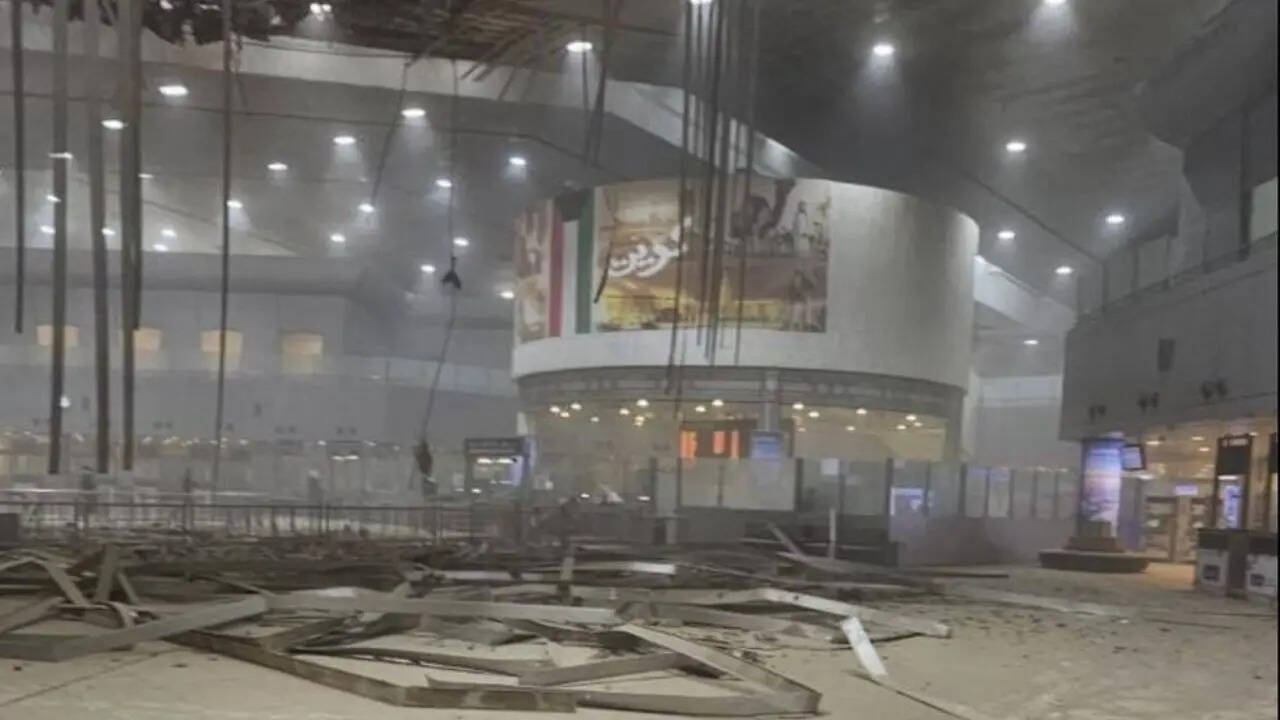
While the international spotlight often focuses on larger conflicts, Kuwait experienced its own tragic share of the recent Iranian aggression. On a somber Sunday, the nation reported one fatality and 32 injuries as a direct result of the missile attacks. These civilian casualties underscore the human cost of escalating regional tensions and the vulnerability of nations within the conflict zone.
Crucially, the situation in Kuwait took on an even more significant dimension with the confirmation of a direct strike on a US military installation. A spokesperson for the Ministry of Defense of Kuwait officially confirmed a missile attack on an American military base located within the country. This development is particularly alarming as it signals a direct engagement of US assets in the ongoing regional conflict, potentially drawing Washington further into the escalating hostilities. Such an attack on a foreign military base hosted by Kuwait complicates the nation's neutrality and deepens its entanglement in the broader struggle. For a more detailed examination of this specific incident, readers can refer to our article on
Iranian Missile Strike Confirmed on US Base in Kuwait.
The targeting of a US base, a key strategic asset in the region, is not merely an act against American interests but also a direct challenge to the host nation's sovereignty and security. It places Kuwait in a precarious position, balancing its alliances with its desire for regional peace. The confirmed **koeweit raket aanval** on its soil, leading to both civilian casualties and a strike on a military base, marks a critical moment in the nation's contemporary history.
Broader Implications and Kuwait's Strategic Position
Kuwait occupies a highly strategic position in the Gulf region, making it a critical player in regional security dynamics. Situated at the northern tip of the Persian Gulf, its proximity to both Iran and Iraq, coupled with its status as a significant oil producer, grants it considerable geopolitical importance. For decades, Kuwait has attempted to maintain a delicate balance in its foreign policy, fostering strong alliances with Western powers, particularly the United States, while also navigating complex relationships with its immediate neighbors.
The recent missile attacks, and specifically the strike on a US base, directly challenge this balancing act. Being drawn into a conflict where US assets are explicitly targeted can have profound implications for Kuwait's domestic security, its economic stability, and its international standing. The incident underscores the inherent risks for host nations that provide strategic platforms for international forces, especially in a region prone to rapid escalation.
Adding another layer of complexity to the unfolding events, reports also emerged regarding incidents involving American fighter jets in Kuwaiti airspace. Specifically, some accounts indicated that three American fighter jets were shot down by Kuwaiti forces, with their crews surviving the crashes. While the exact circumstances and intent behind these incidents remain subject to interpretation and further investigation, such occurrences highlight the intense and potentially chaotic operational environment during periods of heightened tension. It could point to mistaken identity, friendly fire, or even a system malfunction amidst frantic air defense activities. Regardless of the specifics, such events further emphasize the volatility and the challenges faced by all parties operating in the region. For a deeper dive into Kuwait's role and these broader developments, our article
Kuwait's Role in Iran's Retaliation: New Details Emerge provides additional context. These incidents, alongside the missile strikes, contribute to a complex narrative that requires careful diplomatic maneuvering and robust defense strategies from Kuwait.
Navigating Regional Tensions: Insights and Future Outlook
The recent surge in missile attacks, including the tragic **koeweit raket aanval**, serves as a sobering reminder of the fragile peace in the Middle East. Moving forward, de-escalation must be the paramount goal for all regional and international actors. Continued military confrontation only guarantees further loss of life, instability, and economic disruption.
Practical Tips and Outlook:
- Prioritize Diplomacy: Robust diplomatic channels and dialogue, even between adversaries, are essential to prevent further escalation. International mediators can play a crucial role in fostering communication and finding common ground.
- Strengthen Air Defense Systems: For nations like Kuwait and the UAE, investing in advanced, integrated air and missile defense systems is critical. These systems provide a vital layer of protection for civilian populations and critical infrastructure against aerial threats.
- Enhance Intelligence Sharing: Closer cooperation and intelligence sharing among allied nations can provide early warnings and improve response times to potential threats, minimizing casualties and damage.
- Protect Civilian Populations: Governments must prioritize the safety of their citizens by establishing clear emergency protocols, providing accessible information, and ensuring that public services are prepared for potential future incidents.
- Monitor Economic Impacts: The Middle East is a vital hub for global energy markets. Any prolonged instability can have significant ripple effects on global oil prices and trade routes, necessitating international cooperation to mitigate economic fallout.
- Foster Regional Dialogue: Encouraging forums for regional dialogue among Gulf Cooperation Council (GCC) states and other regional powers, including Iran, can help build trust and address underlying grievances through peaceful means.
The future outlook for the region remains uncertain, heavily dependent on the decisions made by key players in the coming weeks and months. The international community has a significant role to play in advocating for restraint, facilitating dialogue, and supporting initiatives that promote long-term stability rather than short-term retaliation.
Conclusion
The recent Iranian missile attacks have cast a long shadow over the Middle East, with Kuwait directly experiencing the tragic consequences of escalating regional tensions. The reported fatality and numerous injuries, alongside the confirmed strike on a US military base on Kuwaiti soil, underscore the nation's vulnerability and the critical need for a stable and secure environment. As the region grapples with the aftermath of these assaults, the focus must remain on de-escalation and diplomatic resolutions to prevent further bloodshed and widespread instability. The **koeweit raket aanval** serves as a powerful testament to the urgent imperative for peace in a volatile part of the world.